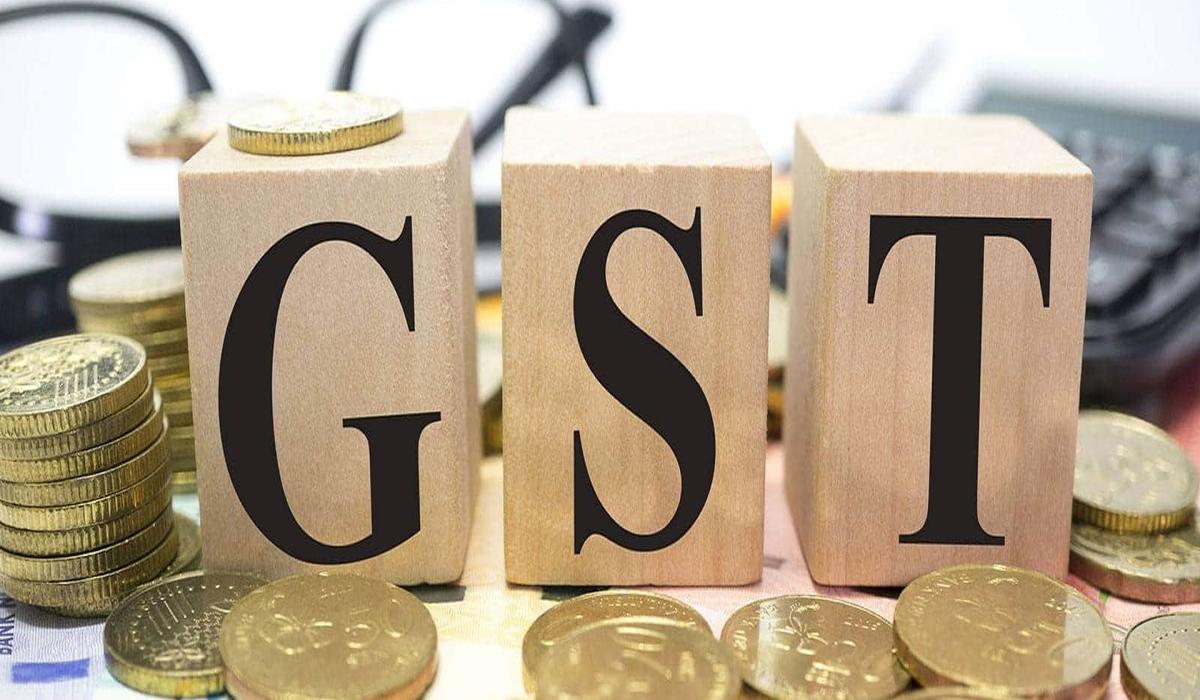
GST Latest Updates and Its Impact on Noida Real Estate
The Indian GST regime has recently undergone a significant revamp, often being referred to as GST 2.0. The GST Council simplified tax slabs and lowered GST rates on several key building materials, bringing a major shift to the construction and housing sector. Cement, for example, has been reduced from 28% to 18%, while other essential materials such as marble, granite, tiles, and bricks have also seen reductions, many falling to as low as 5%. These changes are expected to create a positive ripple effect across the real estate industry. Affordable housing continues to receive special treatment, with under-construction affordable housing properties taxed at just 1%, while non-affordable residential projects are taxed at 5% without Input Tax Credit. These reforms aim to simplify the tax structure, lower construction costs, and ultimately improve affordability for buyers, particularly those in the middle-income segment.
Noida, as one of the fastest-growing real estate hubs in the National Capital Region, is directly impacted by these changes. Known for its connectivity through expressways, metro networks, and modern infrastructure, Noida has consistently attracted both homebuyers and investors. With a wide range of projects — from affordable apartments to premium and luxury developments — Noida’s real estate market thrives on both demand and supply. Any reform in taxation, particularly one that directly impacts construction costs, is bound to have a strong influence on the way the market evolves here.
One of the most immediate effects of the GST updates is the reduction in material costs. Since cement is one of the most critical components of construction, the rate drop from 28% to 18% directly contributes to cost savings for developers. In large projects that dominate Noida’s real estate landscape, these savings can amount to 3–5% of the total construction cost, which is significant. Similarly, materials like tiles, marble, and granite — commonly used in mid-segment and premium apartments — now come at lower GST rates, reducing the cost of finishes and interiors. This directly supports developers in enhancing affordability and maintaining margins without compromising on quality.
For builders and developers in Noida, this update is particularly encouraging. Those procuring materials in bulk for upcoming projects will see immediate benefits in terms of lower input costs. Although projects that are already in advanced stages may not experience the same level of relief, future projects and newly launched phases will reflect improved cost structures. This makes mid-income housing projects more viable, as their cost base becomes lighter and developers can offer more competitive prices to attract buyers.
For homebuyers, the changes also bring optimism. Buyers of under-construction projects may witness a reduction in prices if developers decide to pass on the benefits. The extent of the benefit, however, will depend on the stage of construction and how much of the project remains dependent on material procurement under the new GST rates. On the other hand, ready-to-move or resale properties will not directly experience GST benefits since no GST is applied to them, but they could indirectly benefit from improved market sentiment and competitive pricing in the broader market. For women buyers in Noida, the overall benefit is further amplified by recent state-level incentives such as stamp duty relief on properties up to one crore, making affordability a more attainable goal.
The impact of GST 2.0 on Noida real estate can be broken down into opportunities and challenges. Among the opportunities, the biggest winner is the mid-income housing segment. This category is extremely price sensitive, and even small changes in cost can influence buying decisions. Developers can now price units more competitively and design projects that better suit the budgets of working professionals and middle-class families. Another opportunity lies in the scope for new project launches. Many developers who were delaying launches due to high material costs may now accelerate their plans, leading to greater supply in the market. Improved buyer sentiment is another direct result, as simplified tax structures and reduced burden on inputs increase consumer confidence. Plotted developments and affordable housing schemes are also likely to benefit more proportionately, as their cost structures depend heavily on construction materials.
Despite the positives, there are also challenges. The most immediate is the lag in passing on cost benefits to buyers. Since developers often work with pre-negotiated contracts or have already purchased materials for ongoing construction, not all cost savings may trickle down to the end consumer immediately. Additionally, other costs outside the GST framework, such as stamp duty, registration fees, circle rates, and municipal levies, continue to affect property prices. Any increase in these charges can offset the benefits of reduced GST. Developers will also face pressure to maintain quality while ensuring competitive pricing, as buyers are becoming more aware and cautious. Lastly, transparency in contracts remains crucial, as buyers need clarity on how GST is applied, whether savings are included in pricing, and how other charges like amenities, parking, or maintenance fees are taxed.
Recent Blogs

L&T Realty – Transforming Noida’s Urban Landscape Read More

Yamuna Expressway – The Next Real Estate Hotspot Read More

Jaypee Developers in Noida – Building the Future of Real Estate Read More

Luxury Living in Noida: Exploring Premium Residences by L&T, Max Estate, and Nimbus Realty Read More

Eldeco 7 Peaks – A New Benchmark of Luxury Living in Noida Read More

Chat To Sales
Speak to our friendly
info@growkeysestate.com
Our Support
We are here to help you
info@growkeysestate.com
Visit Us
Office No.- 321, Tower 4,
Assotech Business Cresterra,
Sector 135, Noida, UP
Call Us
Wed - Mon: 10am to 7am
+91-78955 58486